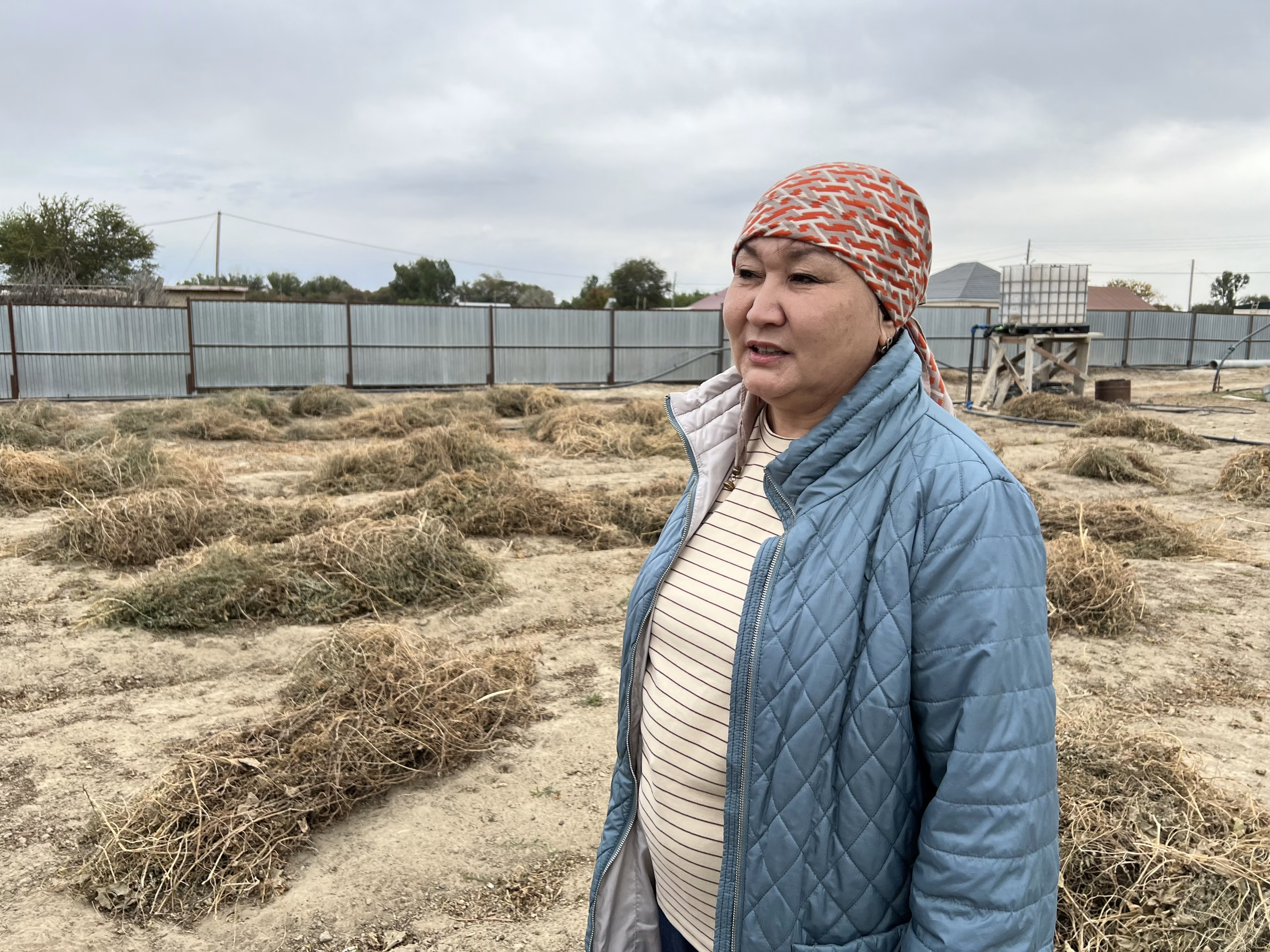
Yelena Pankova
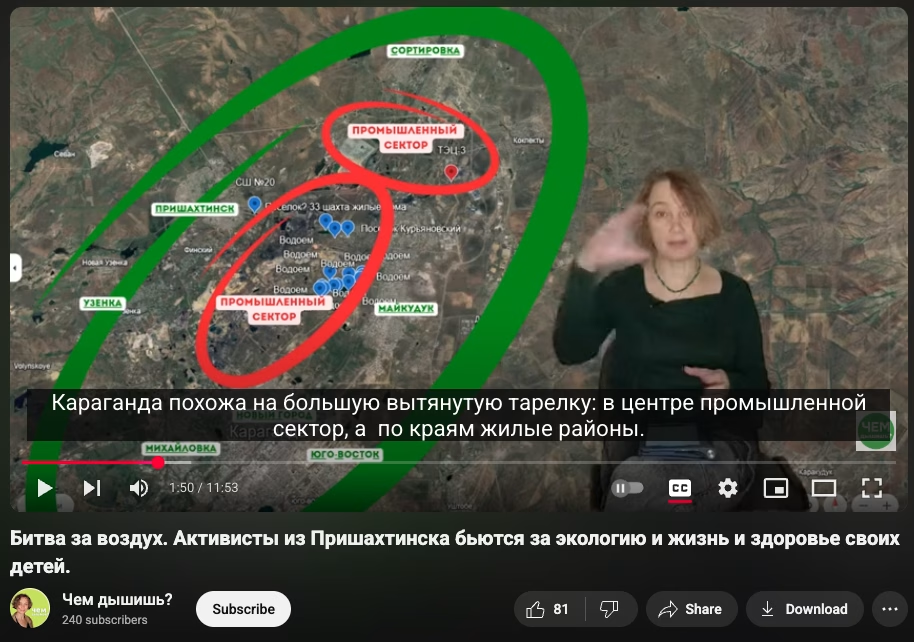
Yelena focused her story on the city of Karaganda, the fourth-largest city in Kazakhstan, formerly known for its coal mining industry and poor air quality. She published a video titled “Battle for Air: Activists from Prishakhtinsk Are Fighting for the Environment and the Life and Health of Their Children.“ on her YouTube channel “What Are You Breathing?”
The story highlights the perspective of residents who are breathing polluted air caused by a combination of industrial activity, dust, and sludge. Although some protective measures—such as installing dust screens, planting trees, and maintaining infrastructure—have been proposed, their implementation has been slow. Few industries or private companies are actively engaging with the community, making it difficult to improve air quality in the city.
English Transcript
Marina Nizovkina
Marina published a story titled “Stories of People Who Know How to Manage Waste“ (“Истории о людях, которые умеют управлять отходами”) on the online media Vera.kz. The story highlights the efforts of Kazakh citizens actively engaged in environmental protection and waste management initiatives.
The article showcases how dedicated individuals can drive positive change, even in the face of bureaucratic hurdles and societal indifference. For example, Sergey Efremov from Shymkent is a passionate fisherman who became increasingly concerned about environmental degradation, particularly illegal fishing and pollution. He then started to organize clean up events and to raise awareness about waste dumps in his area.
Vladislav Golyarko’s created his company with 8 partners implemented in several factories. For each of them, they collect recyclable materials in such a way as to make more profit on them.
Aisulu Kunanbaeva began working on environmental issues in 2018. During this time, she has held hundreds of master classes and trainings on how to reduce the amount of waste on the planet.
Iskander Kunanbayev spends all his energy and time on reducing and recycling waste, especially food waste. Instead of rotting in a landfill, waste can be put to work and be useful.
Amina Akhetova
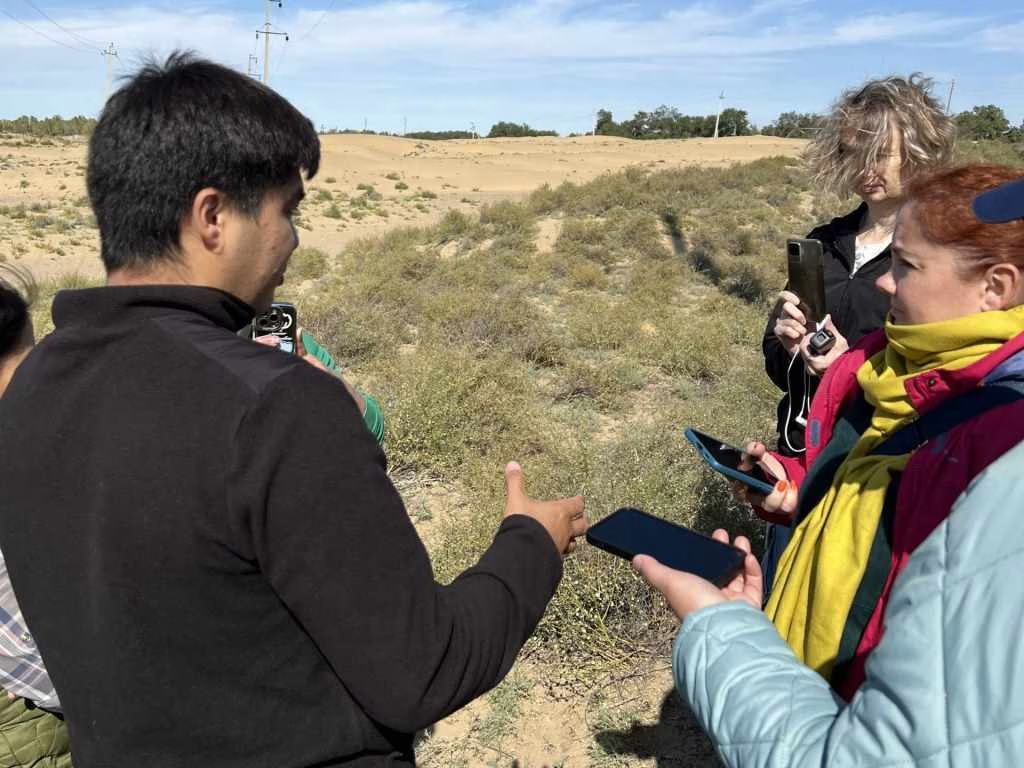
More than half of the territory of Kazakhstan is prone to desertification. Amina investigated in the village of Bakbakty, and how residents are battling advancing desertification caused by the loss of saxaul forests, a vital tree species whose deep roots can hold back tons of sand. The issue was symbolically highlighted in the 2019 art installation “Four Tons of Sand”, which demonstrated the environmental cost of deforestation.
Once a thriving rice farming area, Bakbakty began facing sand encroachment in the 1980s. Although community efforts in the past included planting trees and clearing dunes, such initiatives declined after the Soviet Union’s collapse. Recently, with support from national campaigns and local authorities, new efforts have been made to plant saxaul, elm, and oleaster trees which are species suited to dry climates. However, the lack of consistent maintenance and water supply threatens their survival. Despite these challenges, residents remain committed to protecting their environment, proving that sustainable change can begin with small, collective actions rooted in memory, resilience, and care for the land.
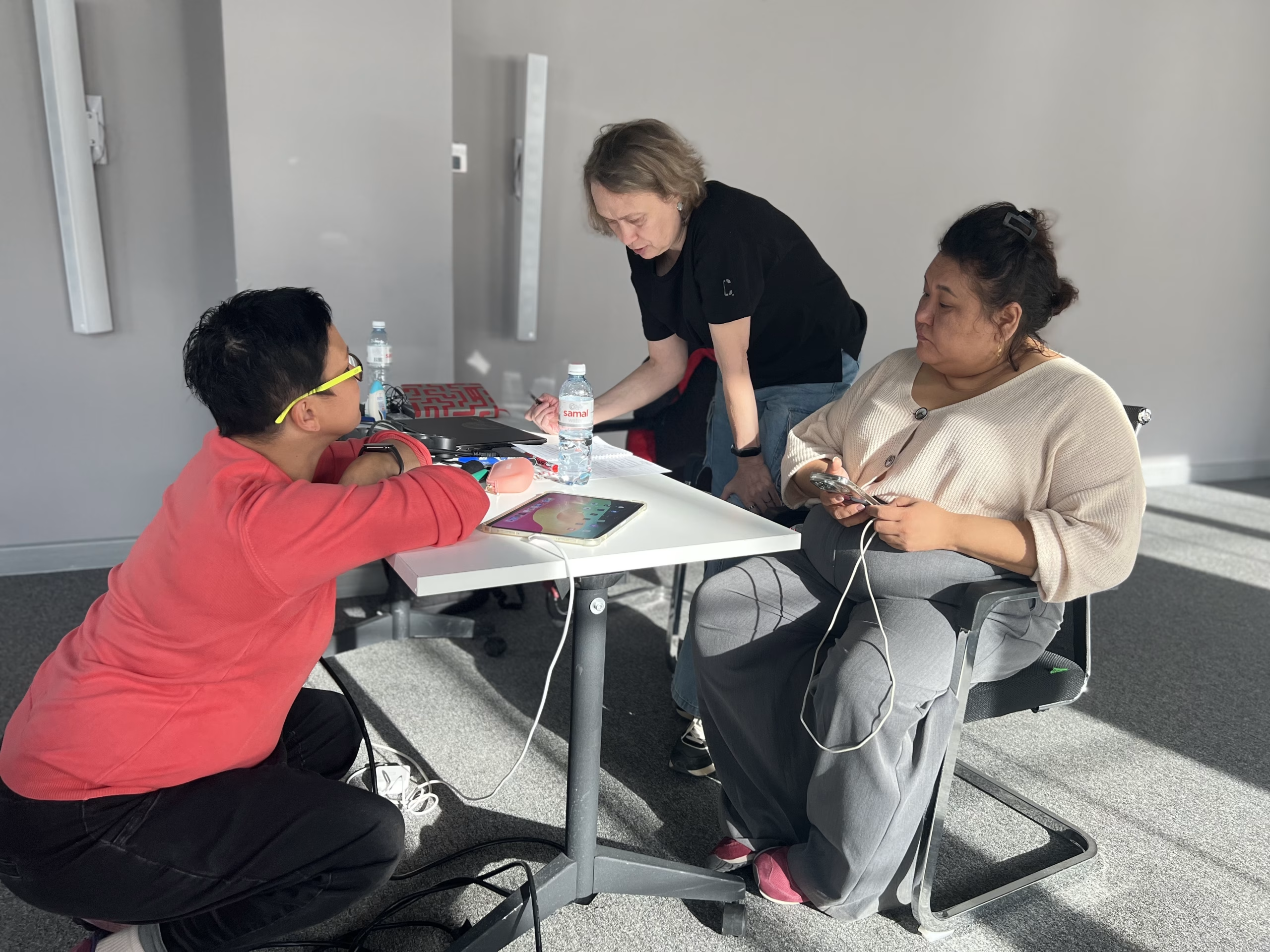

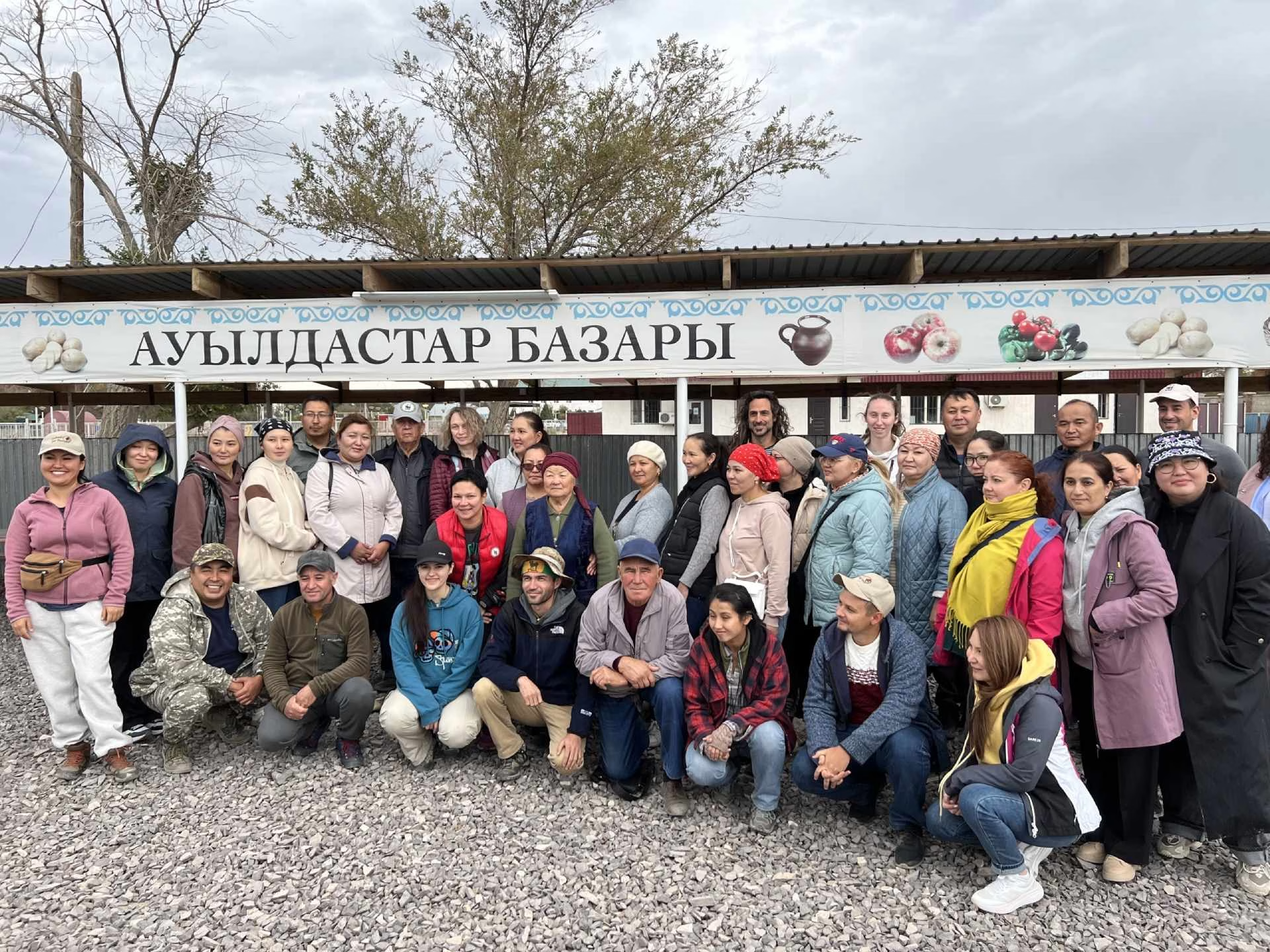
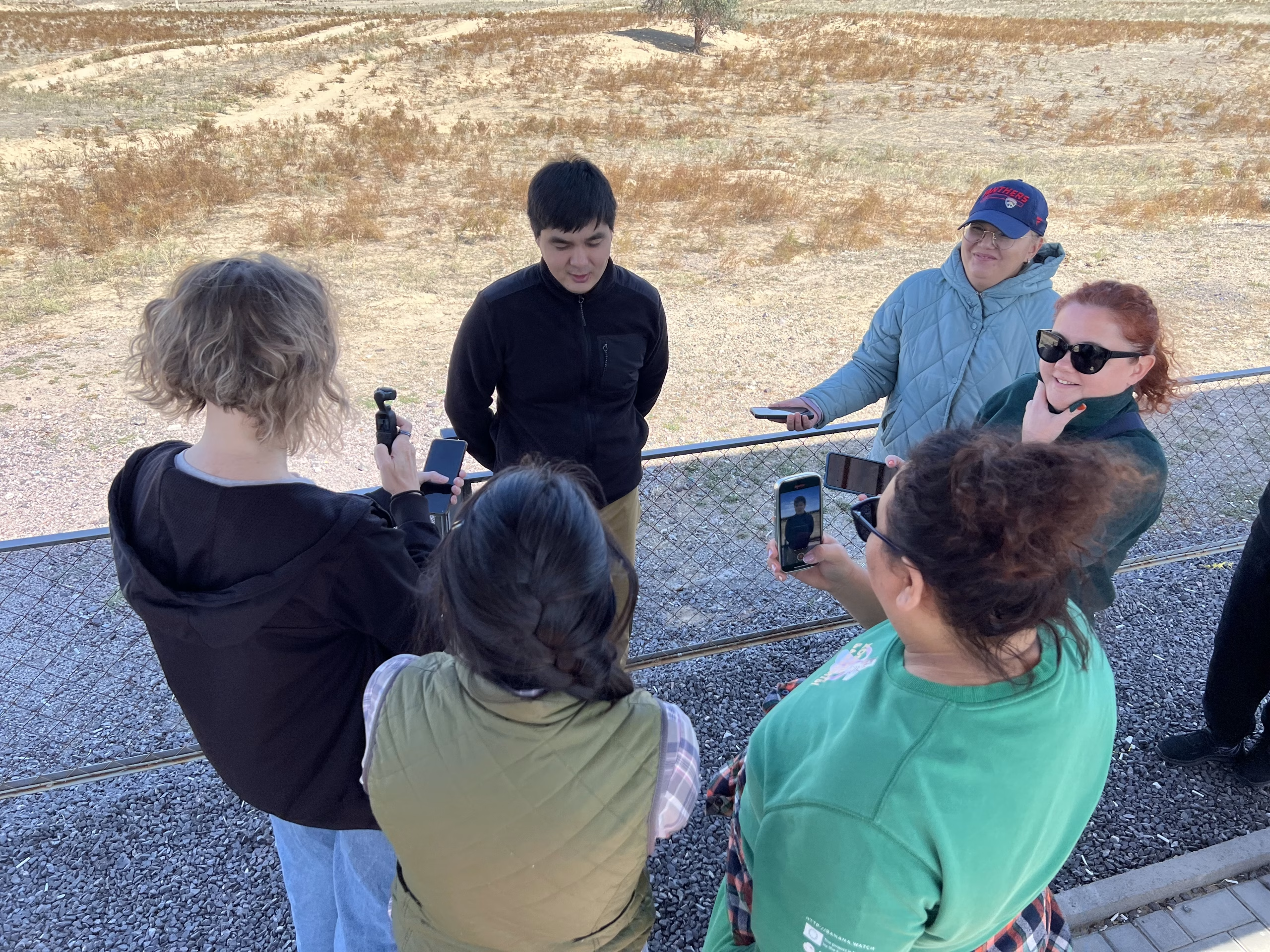
The CAMCA Project and GRID-Arendal are proud to support journalists in reporting on environmental stories in Central Asia. Such stories are still unfortunately rare in the global media landscape, but they play a vital role in informing the public about environmental issues and potential solutions. Special thanks to our talented facilitators – Alevtina Madyarova and Gulim Amirkhanova!